Lower Energy Use
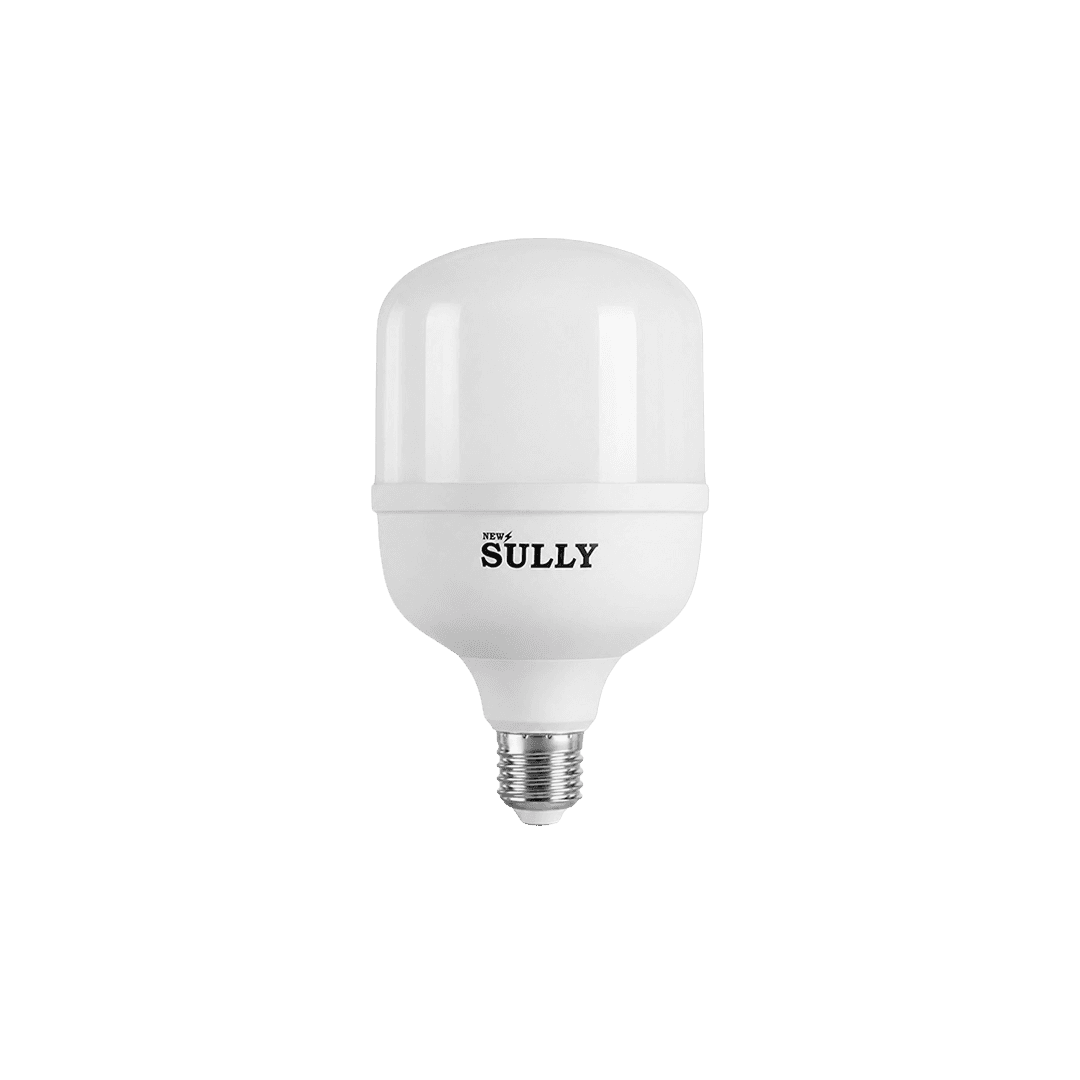
New Sully LED lighting products help reduce electricity use during operation, saving up to 89% of the energy an incandescent bulb uses.
Energy-efficient products, long service life and responsible recycling.
Our approach rests on three practical choices: match the product to the need, use it efficiently and return it through the right channel at end of life.
New Sully LED lighting products help reduce electricity use during operation, saving up to 89% of the energy an incandescent bulb uses.
Matching the product to the need and using it correctly helps avoid unnecessary replacement; a long service life supports more efficient use of resources.
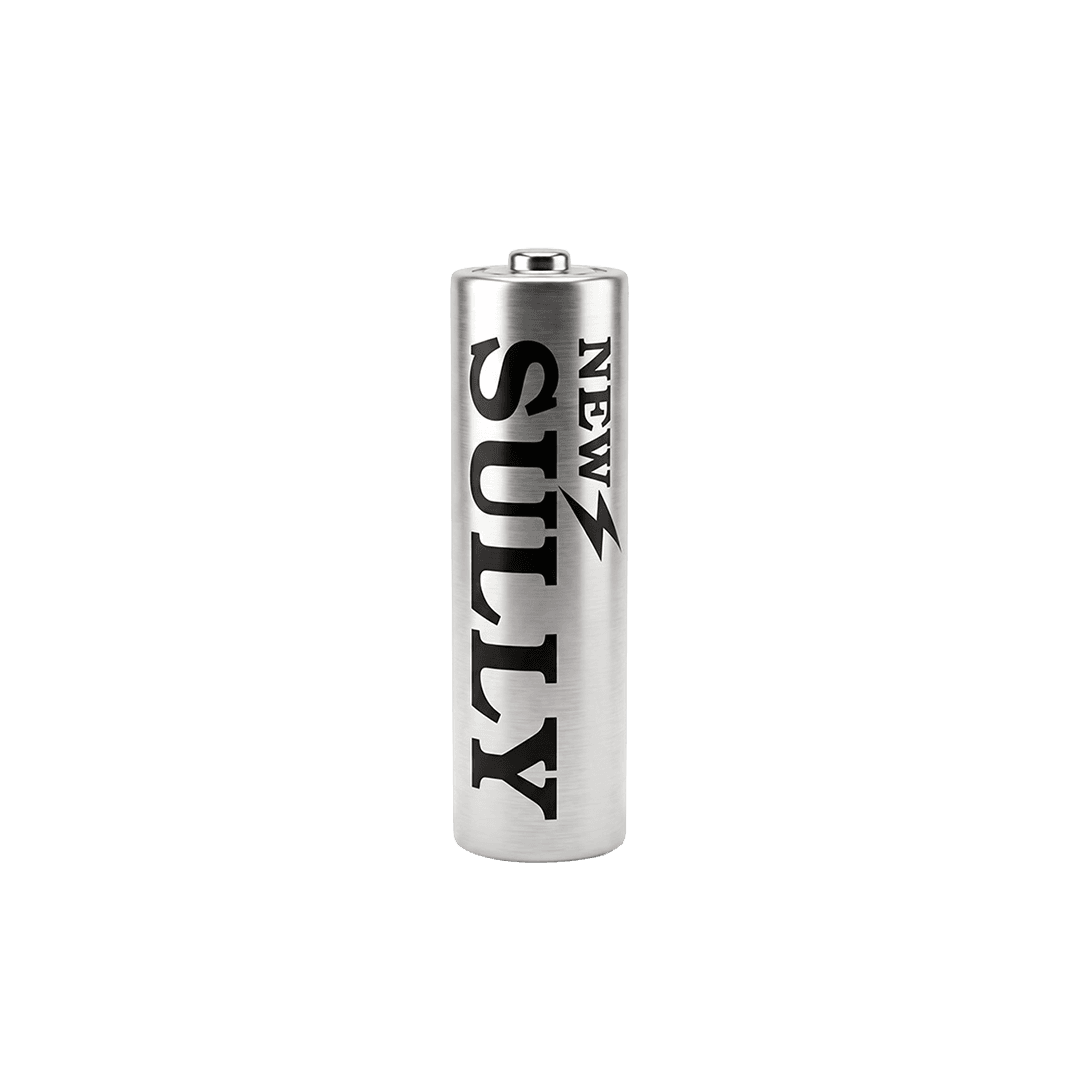
When spent batteries are collected separately, their materials can enter a recovery process; mixing them with household waste breaks that loop.
More responsible energy use is one continuous cycle, from the buying decision through to what happens after use.
Choose the size, voltage and operating conditions the device requires to avoid a wrong purchase and premature replacement.
Choose LED wattage for the space and the battery type recommended for the device. Switch devices off when they are not in use.
Store batteries in cool, dry conditions and protect products from impact, moisture and excessive heat.
Keep spent batteries and LED products out of household waste and take each to its own authorized collection channel.
Batteries and LED products follow different waste streams; both must be kept out of household waste.
Batteries and LEDs do not belong in the same box. Choosing the right drop-off point is the first step toward safe material handling.
Battery collection box
Take portable batteries to dedicated collection boxes at supermarkets, schools, municipal buildings and other authorized locations. Keep them out of household, packaging and electronic-waste bins.
Tape the terminals of 9V and lithium batteries; keep cells dry and never crush, open or expose them to heat.
Find your nearest battery collection pointElectronic-waste channel
In Türkiye, take end-of-life LED bulbs to municipal waste collection centres or licensed electronic-waste collection points.
When buying a new equivalent electrical product, ask the retailer about returning the old one free of charge; local arrangements can vary by municipality.
Three things to do with a battery once it comes out of a device.
The moment a spent battery leaves the device, keep it away from household waste.
Tape the terminals of 9V and lithium cells and collect them in a dry container; that is what prevents a short circuit.
Leave them in the battery boxes at supermarkets, schools and municipal buildings.
Write to us to pick the efficient model or to discuss dealership terms.